
← Back to Mynzo Talks
Research
The Wisdom of Seasons
By Mynzo Team5 min read
Nature has a calendar. And it doesn't hang on a wall. It is written in the first flower of spring, the arrival of migratory birds, the falling of autumn leaves, and the seasonal rhythms that guide life across the planet.
Every year, without checking a calendar, trees begin to flower, birds travel across continents, and leaves change colour or fall to the ground. These events can feel so familiar that we rarely stop to question them. Yet nature is following a complex system of signals, responding to changes in daylight, temperature, and rainfall. The timing of these events holds a story about how life survives and adapts.
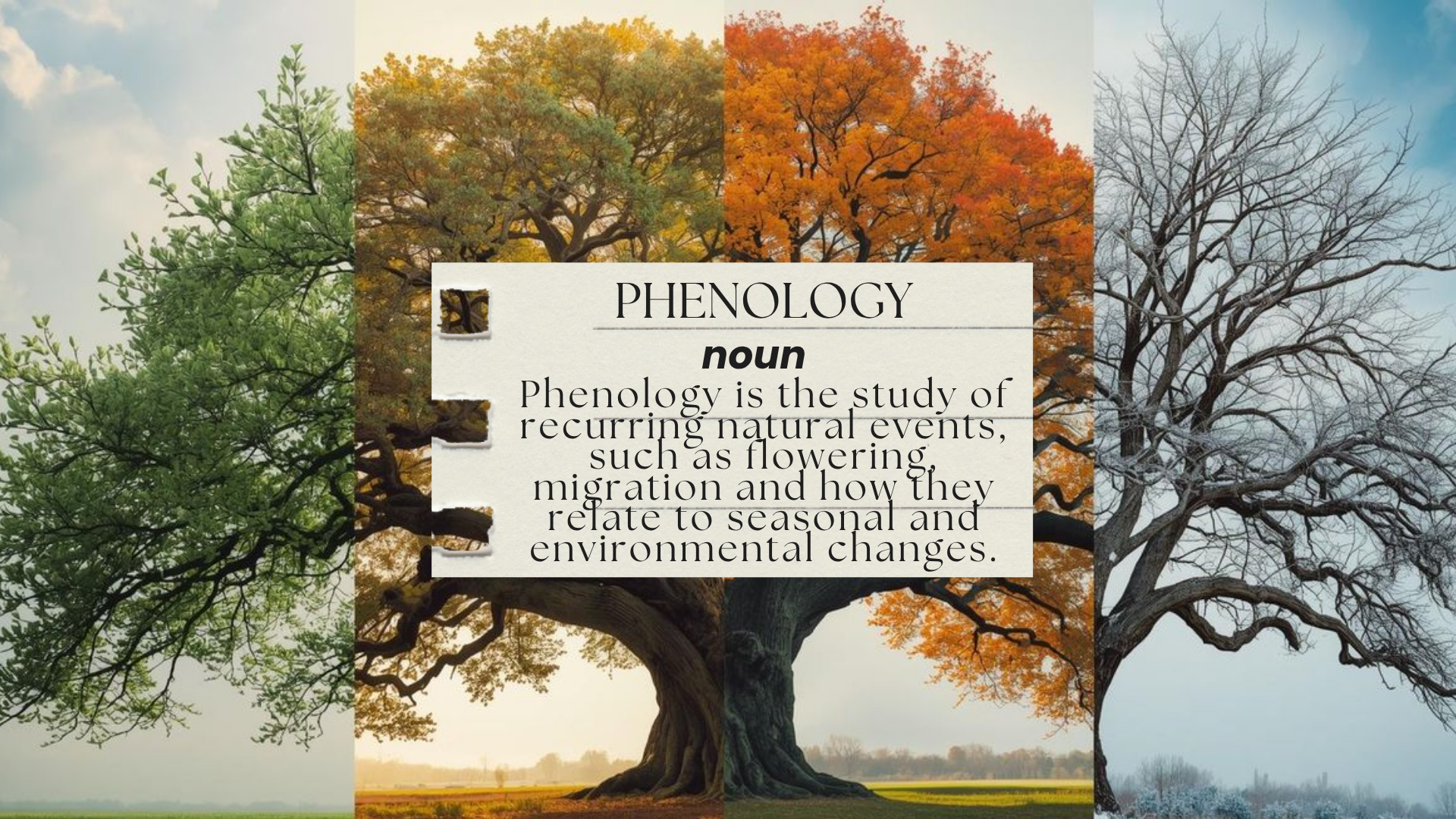
Scientists study these patterns through a field known as phenology, which explores the timing of recurring natural events. When does a plant first flower? When do migratory birds arrive? When do insects emerge? These questions may seem simple, but their answers help explain how species interact with one another and respond to their surroundings. Nature's calendar is not printed on paper. It unfolds through living things.
Timing matters because nature rarely works in isolation. A flower may depend on a pollinator appearing at the right moment, while a bird may rely on insects becoming abundant when its chicks need food. When these events align, ecosystems function more smoothly. But when their timing changes, the consequences can spread through the food web, affecting species that depend on one another.
Today, changing environmental conditions are shifting some of these seasonal patterns. Warmer temperatures can cause certain plants to flower earlier, while changes in rainfall may affect breeding, migration, and food availability. Not every species responds in the same way, which can create mismatches between organisms that evolved to depend on one another. Observing these changes gives scientists valuable clues about how ecosystems are responding to climate change.
Phenology also offers a different way to experience the natural world. We do not always need scientific instruments to begin noticing change. Watching the same tree throughout the year, observing when familiar birds return, or paying attention to the first flowers after the rains can reveal patterns we might otherwise miss. Careful observation is often the first step towards understanding a much larger system.
Perhaps the wisdom of seasons lies in the reminder that life depends not only on what happens, but on when it happens. Nature's rhythms connect plants, animals, weather, and entire ecosystems in ways that are easy to overlook. By learning to recognise these patterns, we become more aware of the changes unfolding around us, and of the delicate timing that helps keep the natural world in balance.
Ready to monitor your forest assets?
Discuss satellite monitoring, field validation and reporting for your project.
Get Started