
Put the ideas to work
Start with the question your site assessment needs to answer.
Map the habitats on a site
Choose map classes, check them in the field and agree what a habitat map needs to show.
Plan biodiversity monitoring
Connect forest observations with ecological surveys, responsibilities and repeat measurements.
Understand a soil carbon result
Read carbon concentration, soil depth and stock estimates before comparing results over time.
All guides and stories
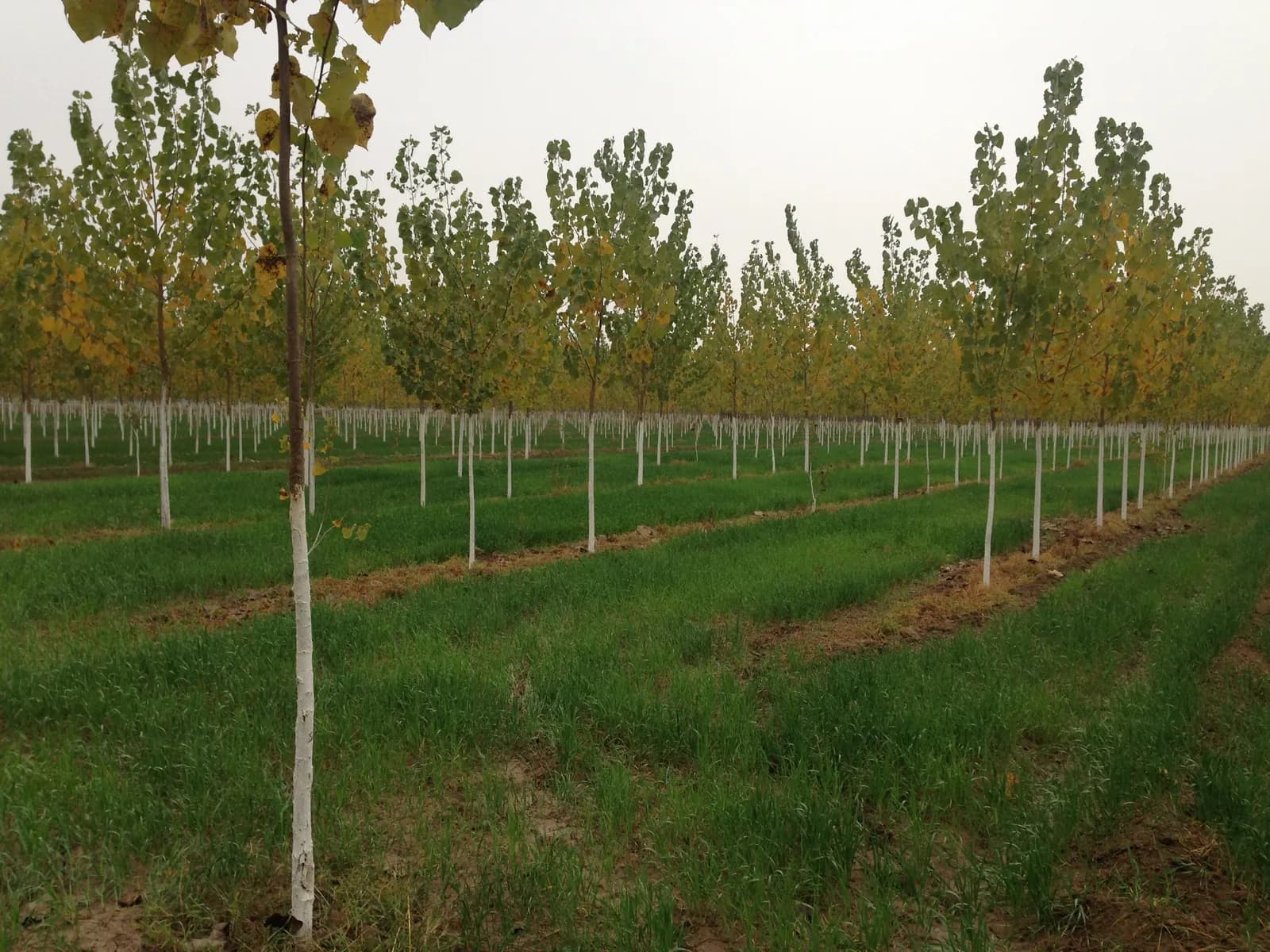
Farming & Landscapes
Agroforestry in India: 4 Systems and Regional Examples
Compare four agroforestry systems in India, from poplar and crops to coconut gardens. Use a practical checklist for water, layout, labour and markets.
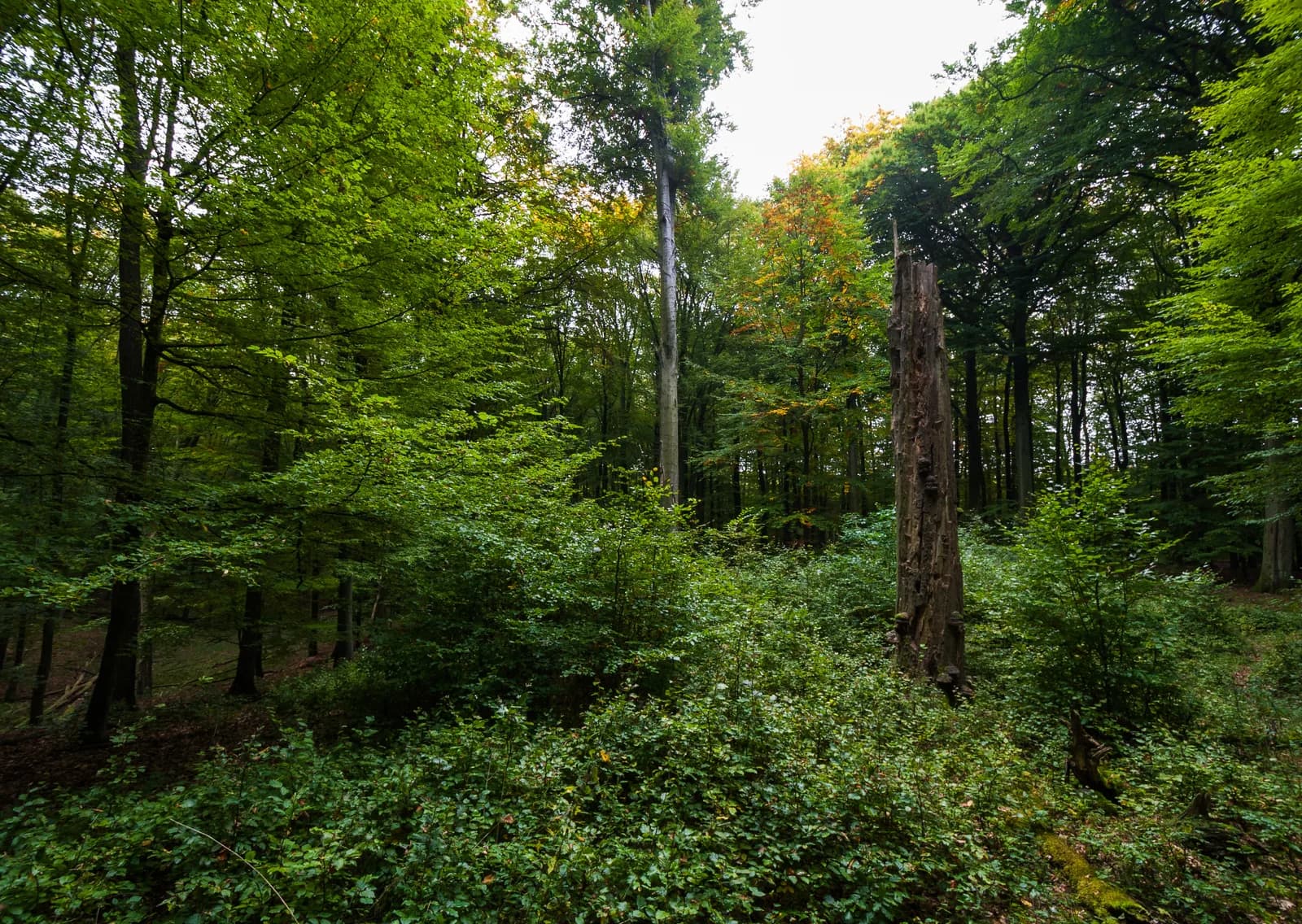
Restoration
Assisted Natural Regeneration: A Guide for India
When can a forest recover without blanket planting? Compare assisted natural regeneration, passive recovery and planting, with evidence from India.
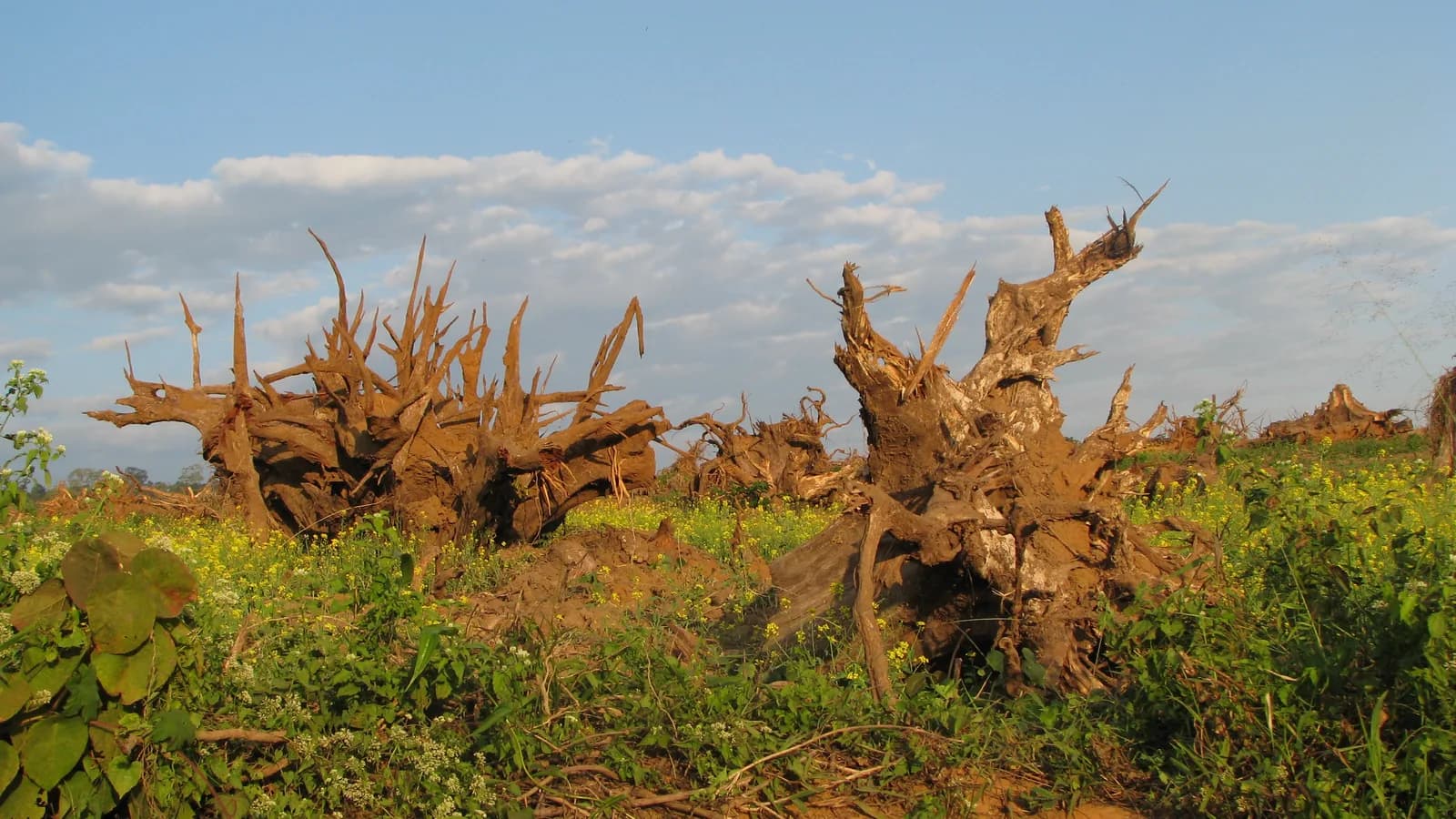
Biodiversity
Causes of Biodiversity Loss: Five Drivers and India Examples
Explore five direct drivers of biodiversity loss through Indian research, with practical indicators, conservation responses and limits to each conclusion.
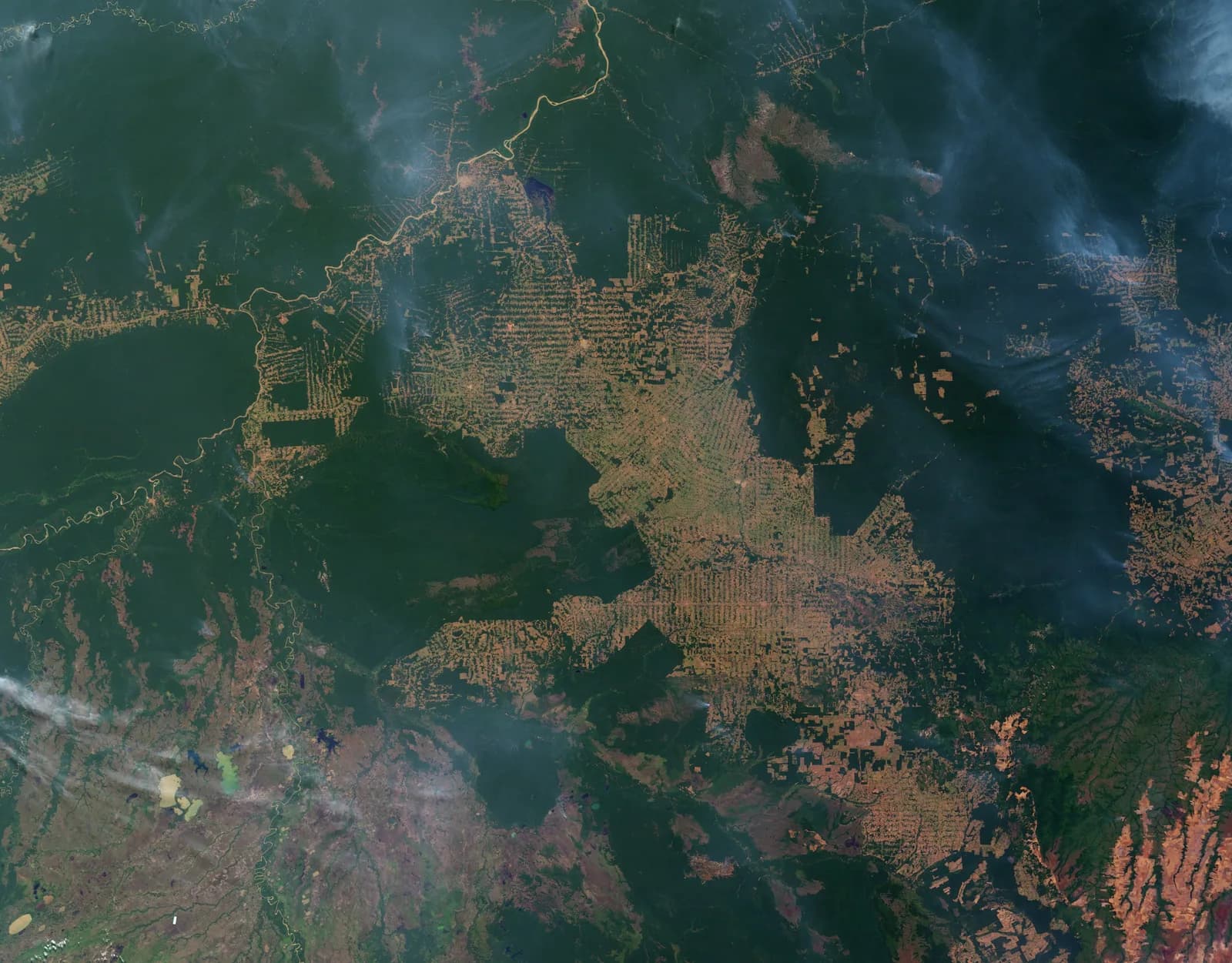
Carbon and Climate
How Does Deforestation Affect the Carbon Cycle?
Follow what happens to carbon in trees, wood products and soil after forest conversion, and why regrowth takes time to rebuild what was lost.
Biodiversity
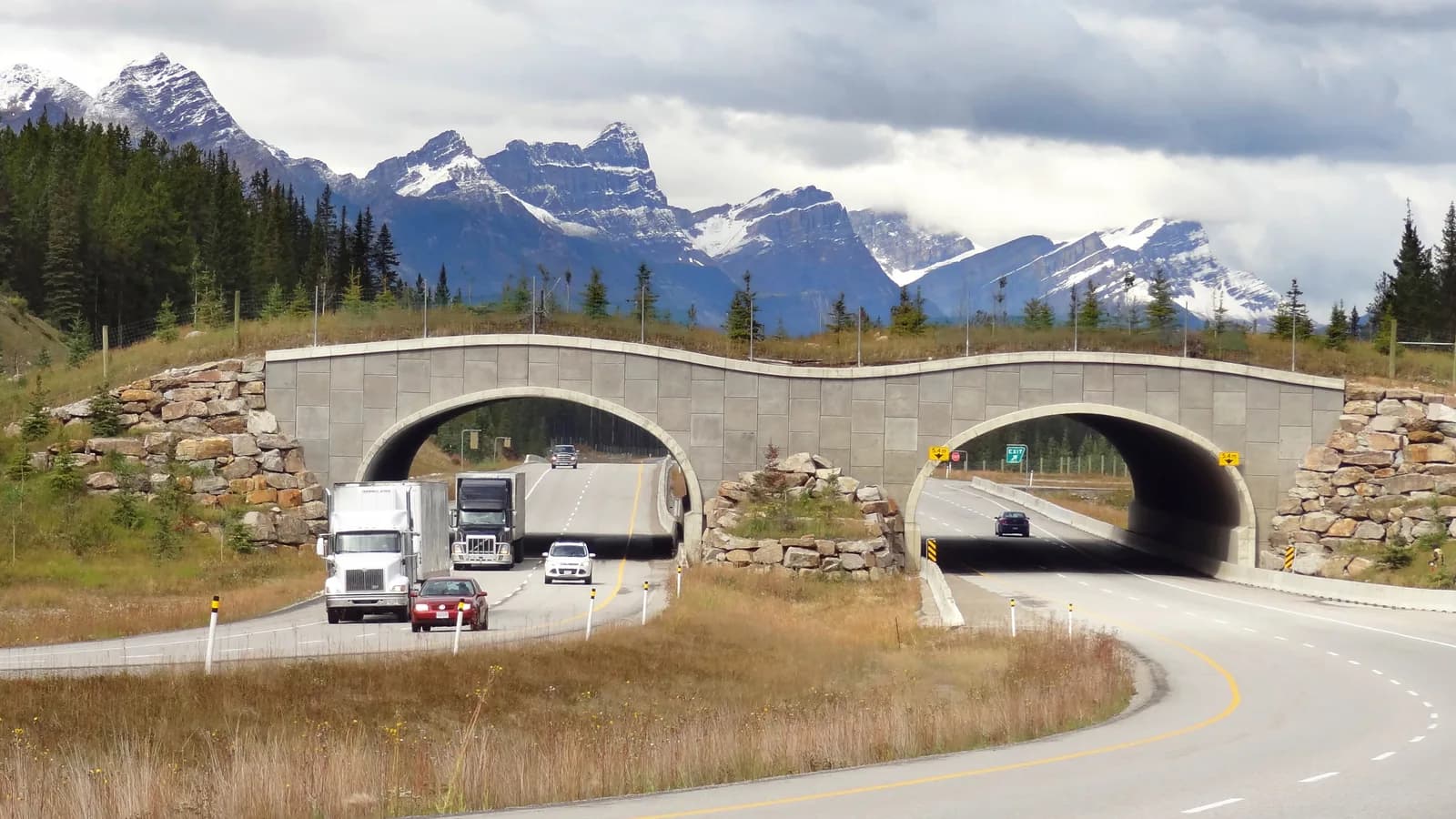
Habitat Fragmentation: Examples and Wildlife Corridors
Understand habitat loss versus fragmentation, compare India and Canada corridor evidence, and learn what a connectivity map can and cannot prove.
Biodiversity
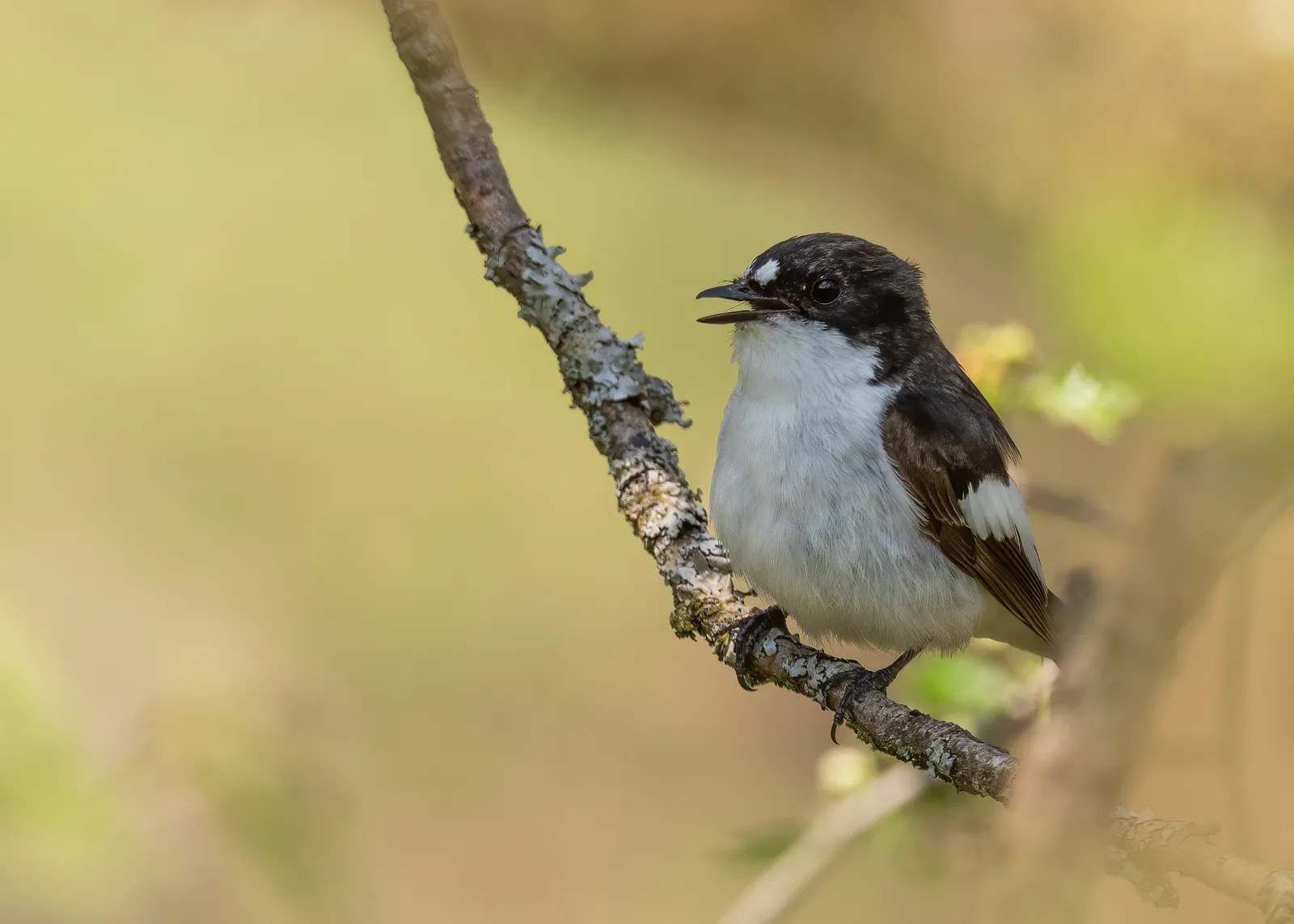
How Does Climate Change Affect Animals? Four Examples
Explore animal responses to warming through Himalayan birds, Dutch flycatchers, Australian flying-foxes and corals, with clear limits on each example.
Coasts & Wetlands
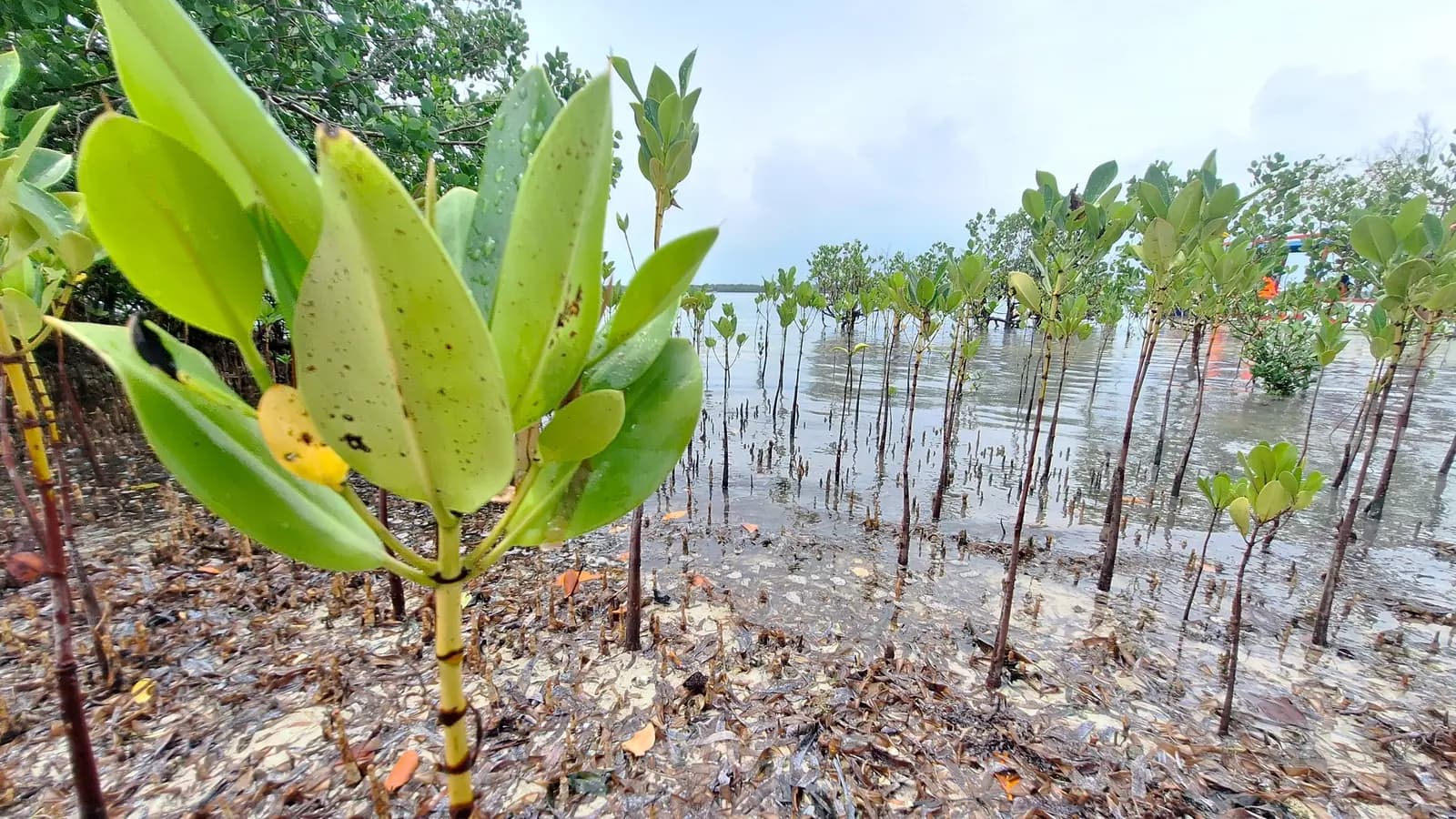
Mangrove Restoration: Methods, Examples and Monitoring
Plan mangrove restoration around tides, sediment and local use. Compare Indian and Indonesian examples, restoration methods and useful monitoring records.
Soil & Farming
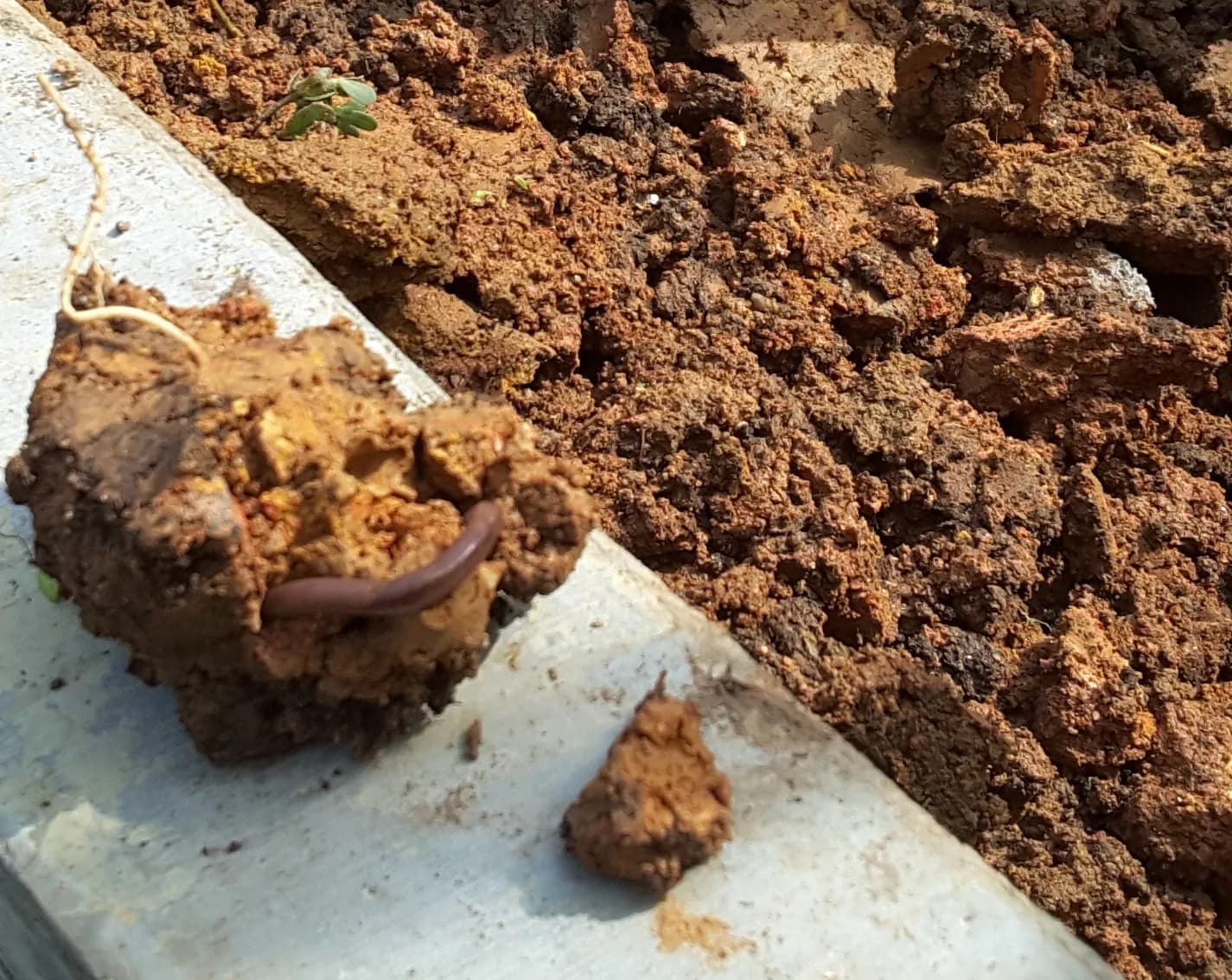
Soil Health Indicators: Field Checks and Lab Tests
Compare physical, chemical and biological soil health indicators. Learn what India’s Soil Health Card covers and how to keep repeat assessments comparable.
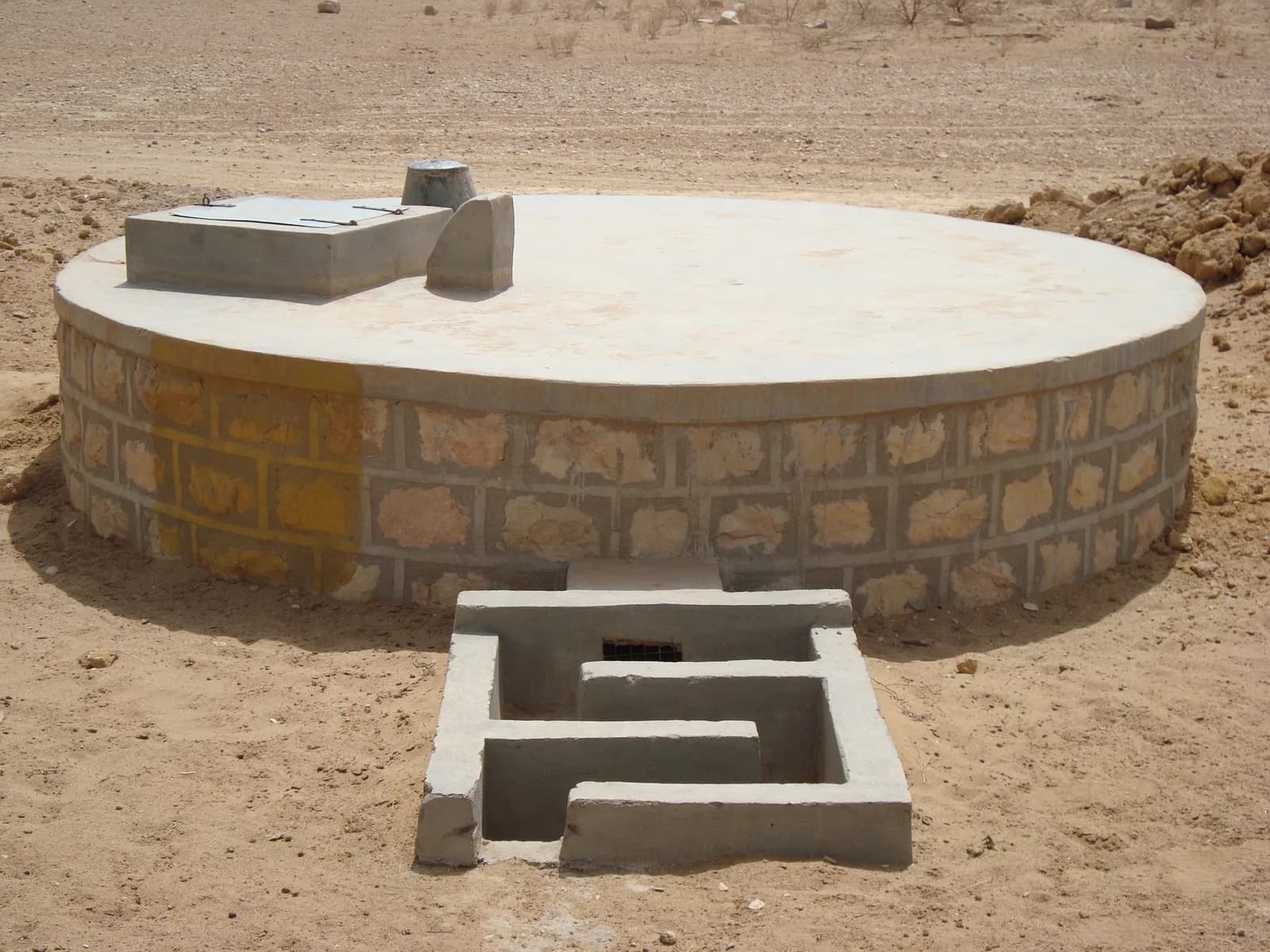
Water & Communities
Water Conservation Methods for Homes and Communities
Compare practical water conservation methods for Indian homes, schools and communities, from leak checks to rainwater harvesting and useful water-use records.
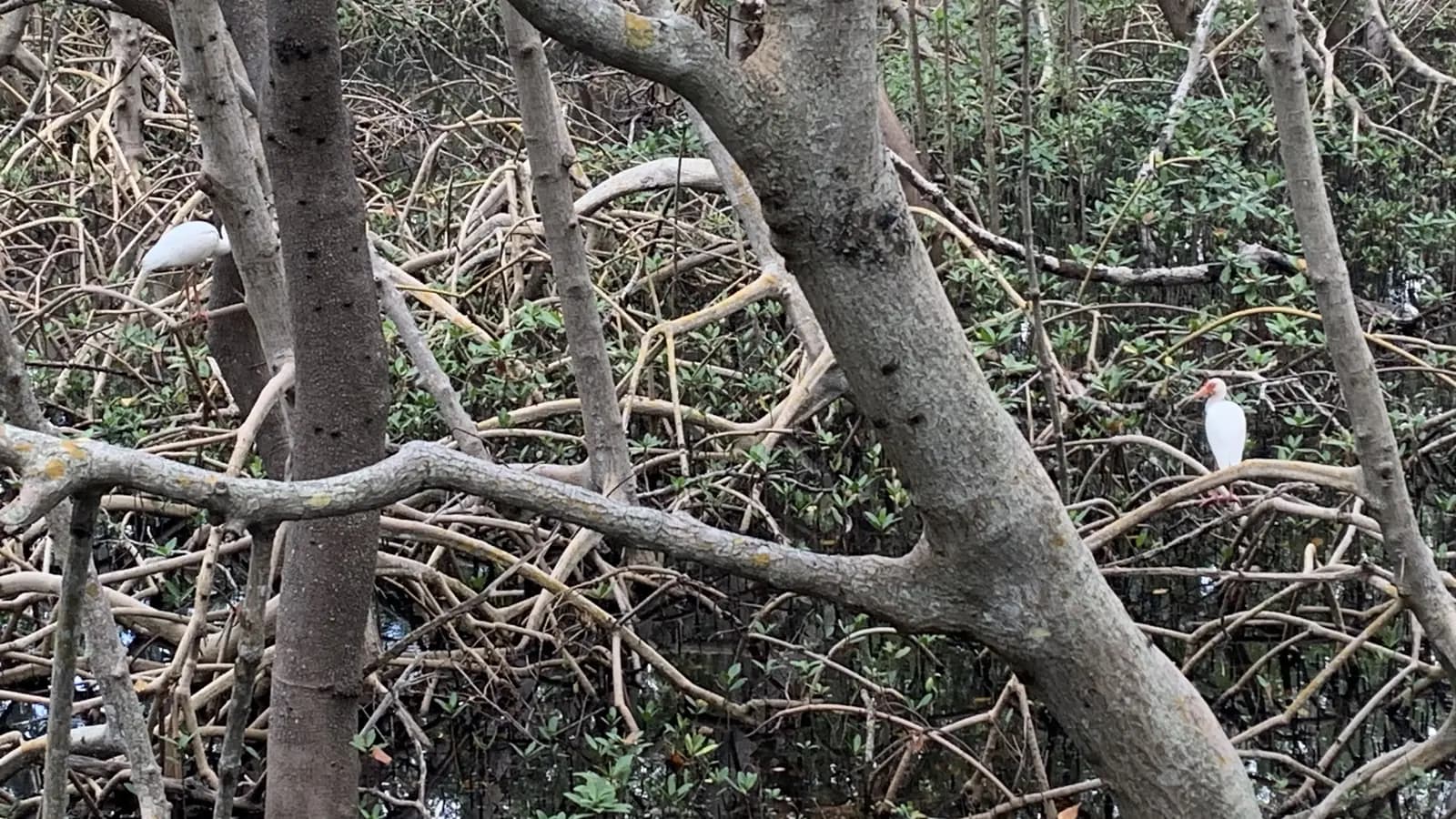
Climate Literacy
What Is Blue Carbon? Ecosystems, Stocks and Examples
Understand blue carbon in mangroves, seagrasses and salt marshes. Compare stocks, annual uptake and credits with examples from India and other coasts.
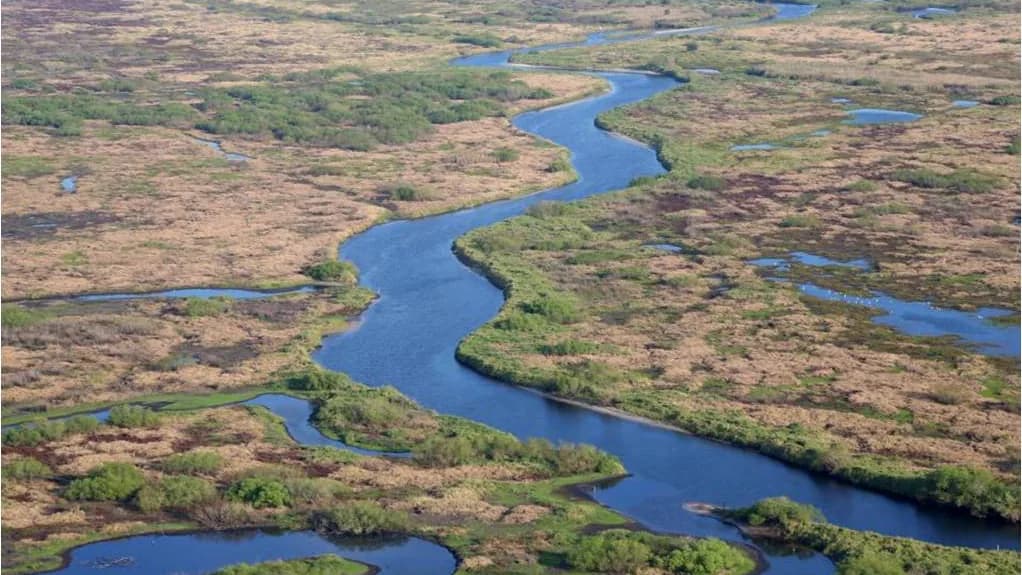
Restoration
Ecosystem Restoration: Examples and Evidence of Recovery
Compare restoration in an Indian lagoon, a Florida river and a Scottish peatland. Learn how actions, early responses and ecological recovery differ.
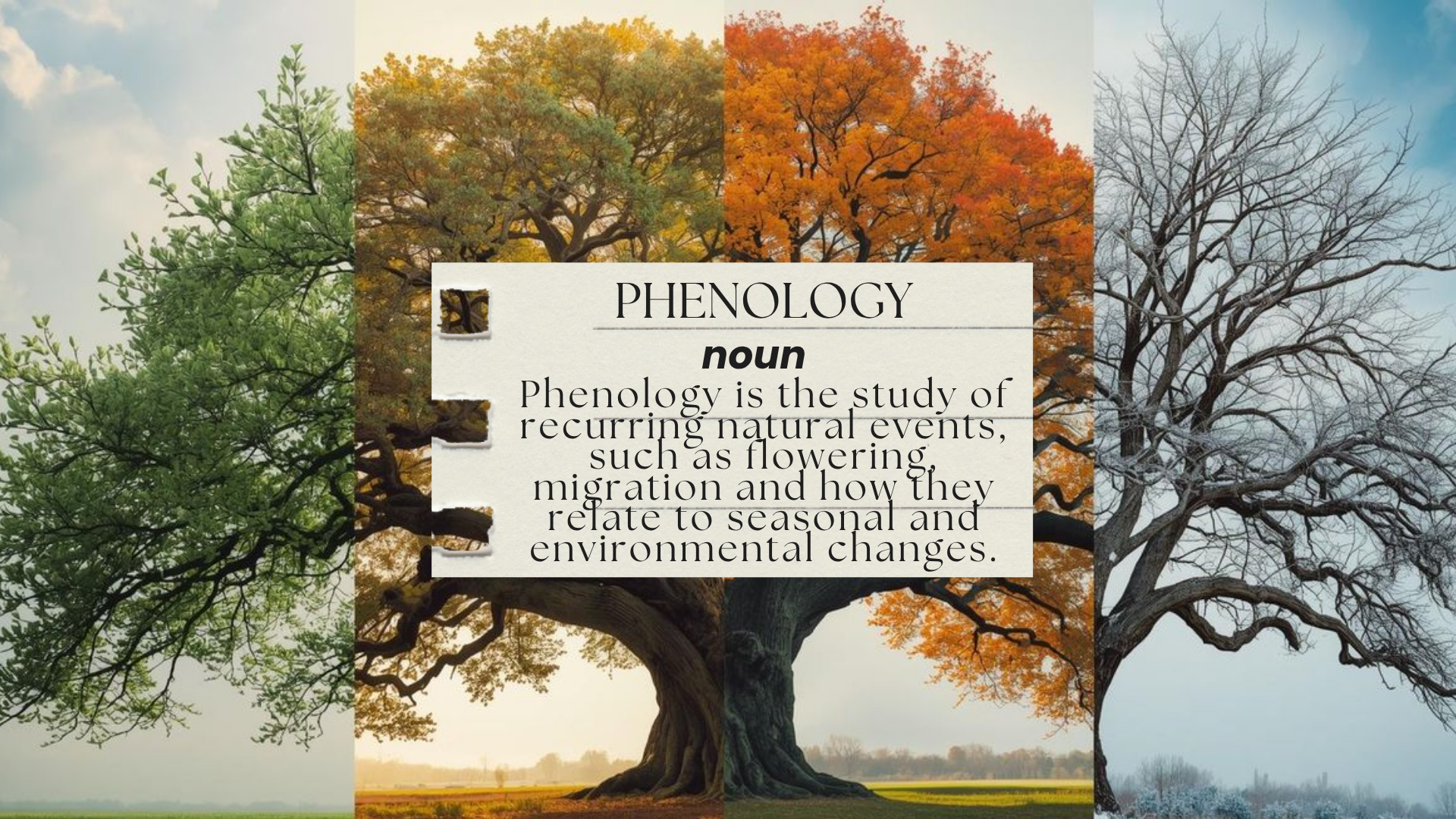
Research
The Wisdom of Seasons
Nature has a calendar. And it doesn't hang on a wall.
It is written in the first flower of spring, the arrival of migratory birds, the falling of autumn leaves, and the seasonal rhythms that guide life across the planet.
Forests & Restoration
Afforestation vs Reforestation: Differences and Examples
Afforestation creates forest on non-forest land; reforestation re-establishes forest. Compare land-use definitions, examples and restoration choices.
Biodiversity
Biodiversity Hotspots in India: 4 Regions and Criteria
India has four biodiversity hotspots. Compare their locations and criteria, including why Nicobar belongs to Sundaland and Andaman belongs to Indo-Burma.
Climate Literacy
Carbon Neutral vs Net Zero: Differences and Examples
Learn how carbon-neutral and net-zero claims differ, what offsets and removals mean, and how to check a company’s emissions claim.
Ecology
Ecosystem Services: 4 Types and Examples Explained
Learn the four types of ecosystem services with food, pollination, water and soil examples. Compare supporting and regulating services and how to observe them.
Biodiversity
Habitat Mapping: A Practical Guide for Project Teams
Commission a useful habitat map. Choose the right data, boundaries and seasons, request field validation, and review the results with an editable project brief.
Soil Science
How to Increase Organic Carbon in Soil: A Practical Guide
Compare residue retention, cover crops, compost and other soil carbon options, with local tradeoffs, realistic timescales and a simple monitoring record.
Coasts & Wetlands
Mangroves in India: Where They Grow and Why They Matter
Explore India’s mangrove regions, dated official state figures, coastal wildlife and the water conditions that make restoration work.
Forests & Cities
Miyawaki Forests: Method, Benefits and Evidence
How dense native planting works, what research supports, and how to assess a Miyawaki forest proposal without relying on growth or carbon promises.
Ecological Restoration
Urban Rewilding: Examples, Choices and Practical Limits
Explore urban rewilding through documented city projects, with practical decisions about habitat connections, public access, land tenure and maintenance.
Coasts & Wetlands
What Are Wetlands? Meaning, Types and Examples
Wetlands have water at or near the soil surface for all or part of the year. Explore their types, seasonal changes, examples and benefits.
Biodiversity
What Is Biodiversity? 3 Types and Examples
Compare genetic, species and ecosystem diversity with clear examples. Learn how crop varieties, species counts and habitats describe the three levels.
Sustainable Agriculture
What Is Regenerative Agriculture? Practices and Limits
A clear introduction to regenerative agriculture, common practices, examples from India and the US, and the evidence needed to judge results.
Restoration
Restoration Monitoring Plan: From Visits to Decisions
Keep restoration work connected across field visits. Record treatments, tree cohorts, changes and the next action with a practical monitoring checklist.
Biodiversity
How to Measure Biodiversity: Methods and Examples
Compare biodiversity monitoring methods and work through a species richness and Shannon diversity example. Choose useful field measures and record their limits.
Research
The Future We Choose
The future is often spoken about as if it already exists. We imagine it as a destination waiting somewhere ahead, shaped by technologies yet to be invented or policies yet to be written. But the future isn't something we simply arrive at. It is something we create through the choices we make every day.
Research
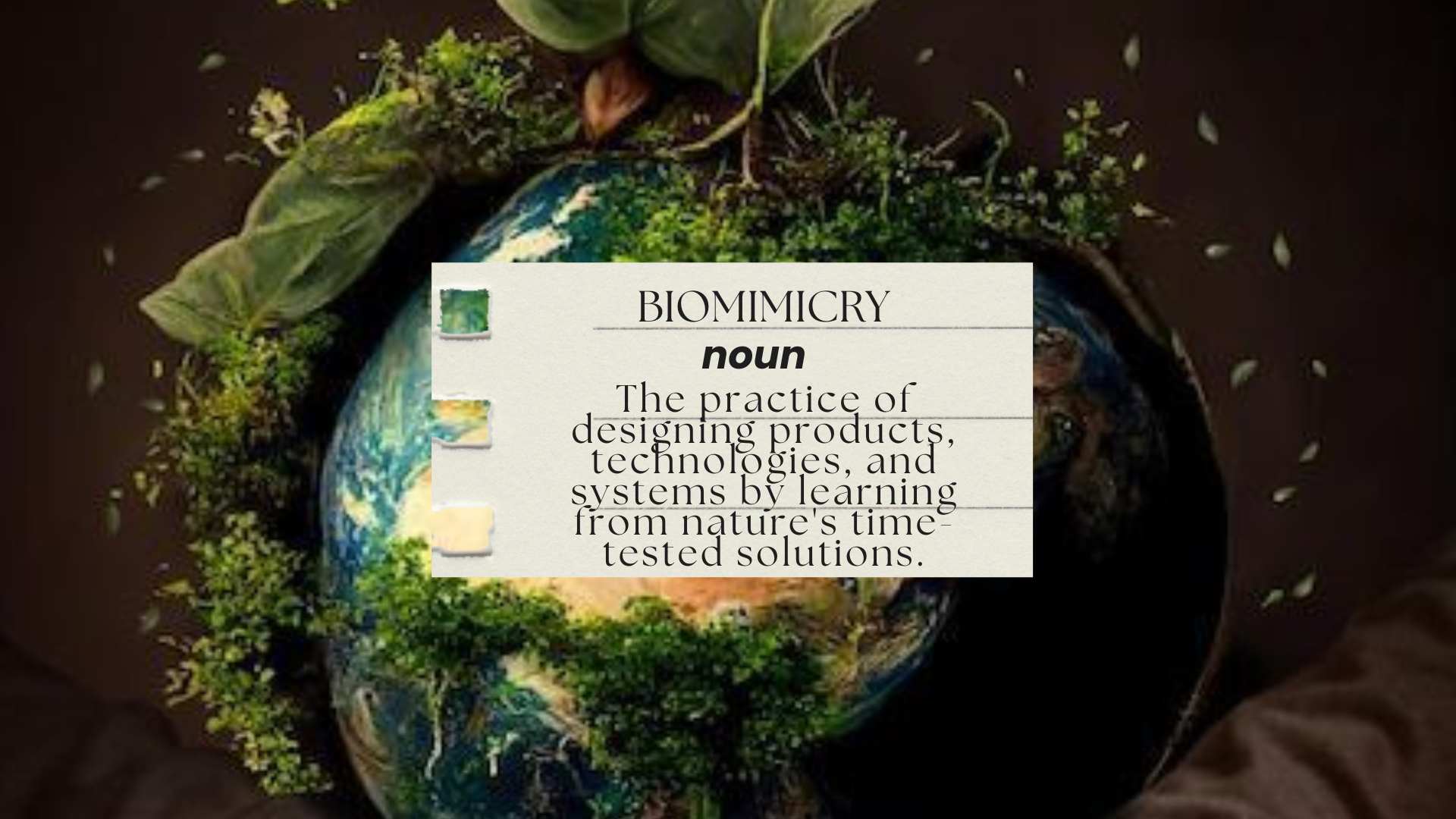
Nature: The Original Innovator
The next great breakthrough may not begin in a laboratory. It may begin with a simple observation of nature. After all, the greatest innovator the world has ever known has been here all along.
Research
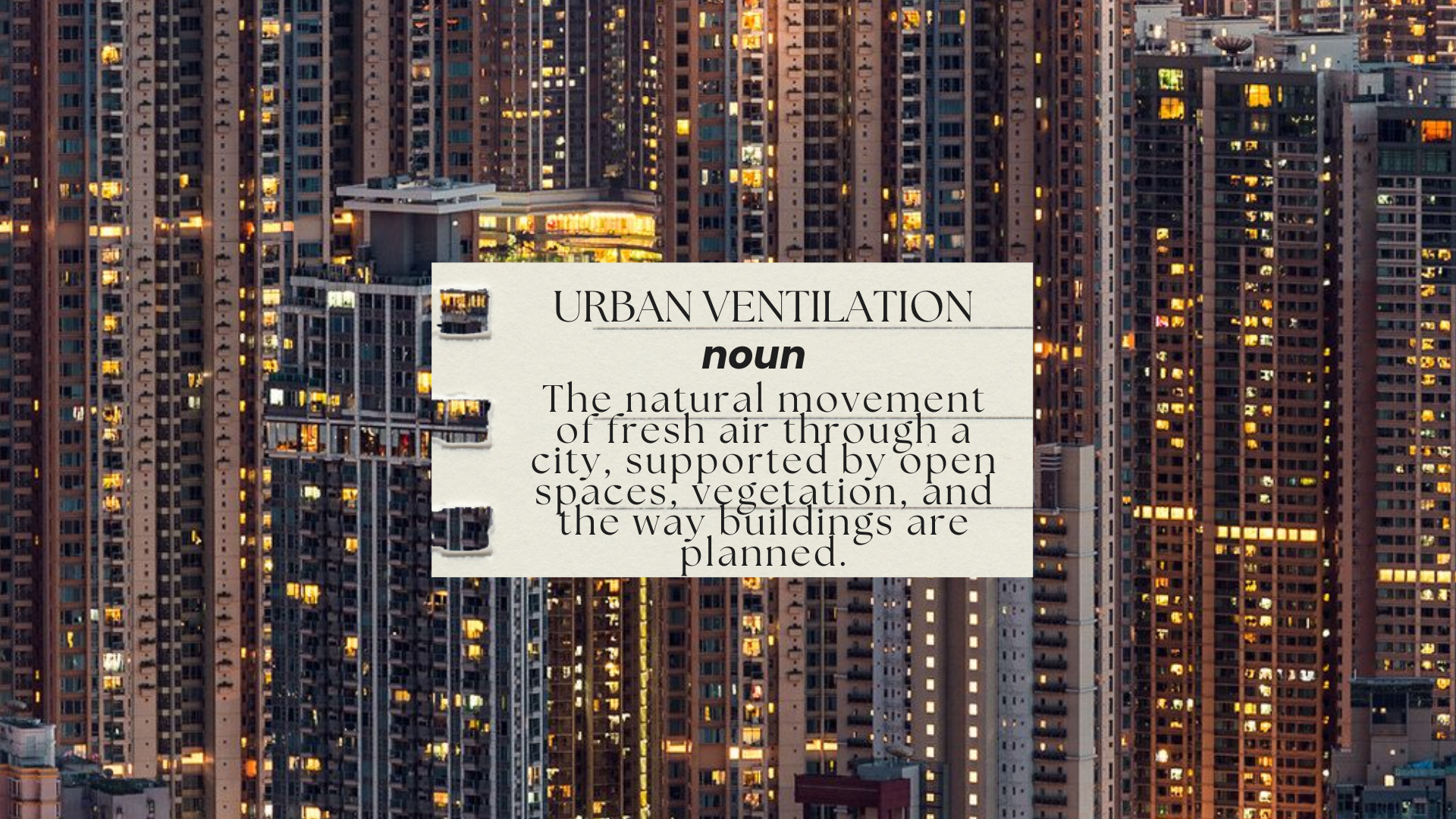
Cities That Forgot How to Breathe
A city's lungs aren't made of concrete—they're made of open spaces, trees, and the movement of fresh air.
Research
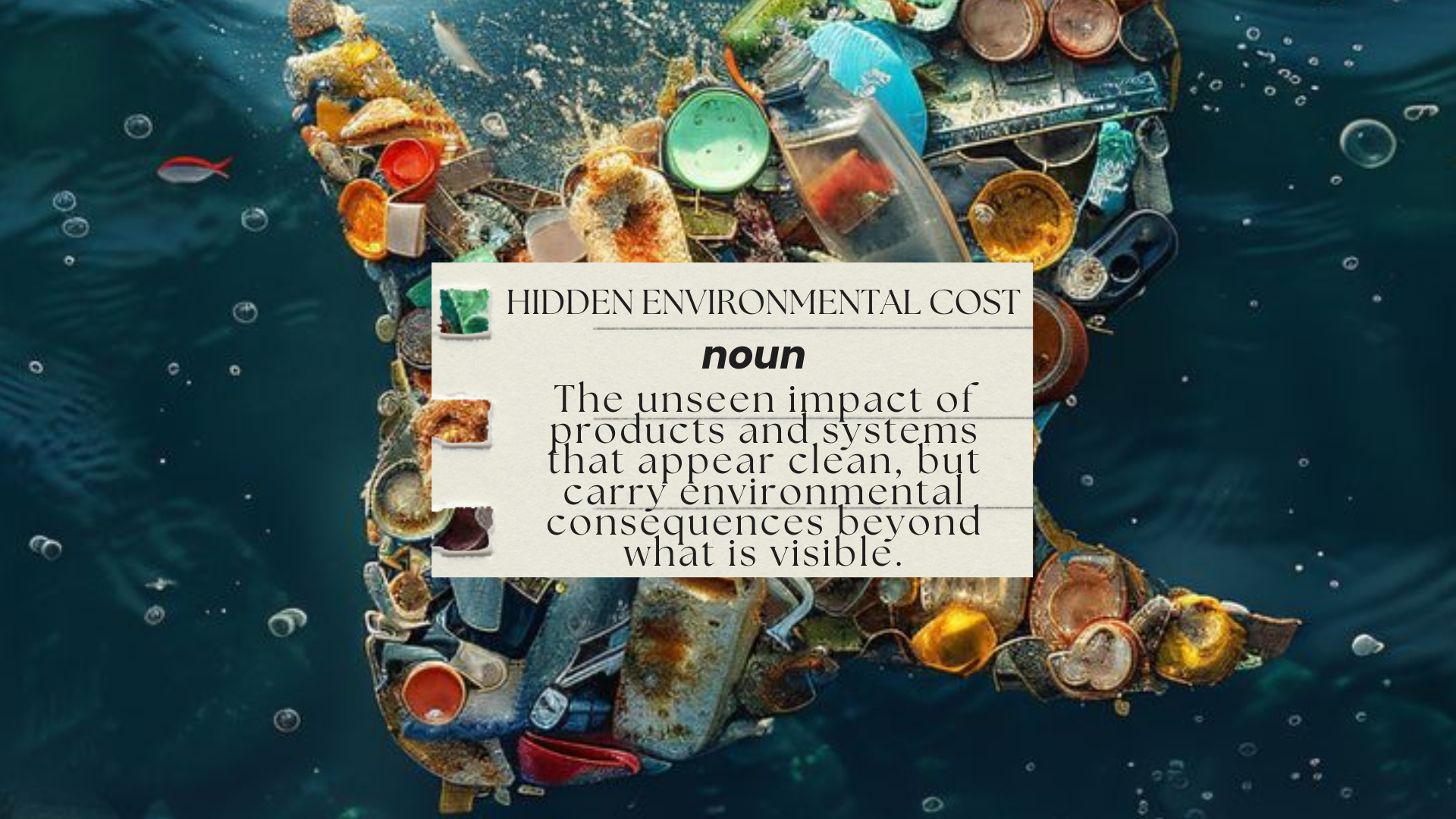
The Illusion of Clean
Clean spaces don’t always mean less impact. Often, they reflect systems that shift environmental costs elsewhere.
Research
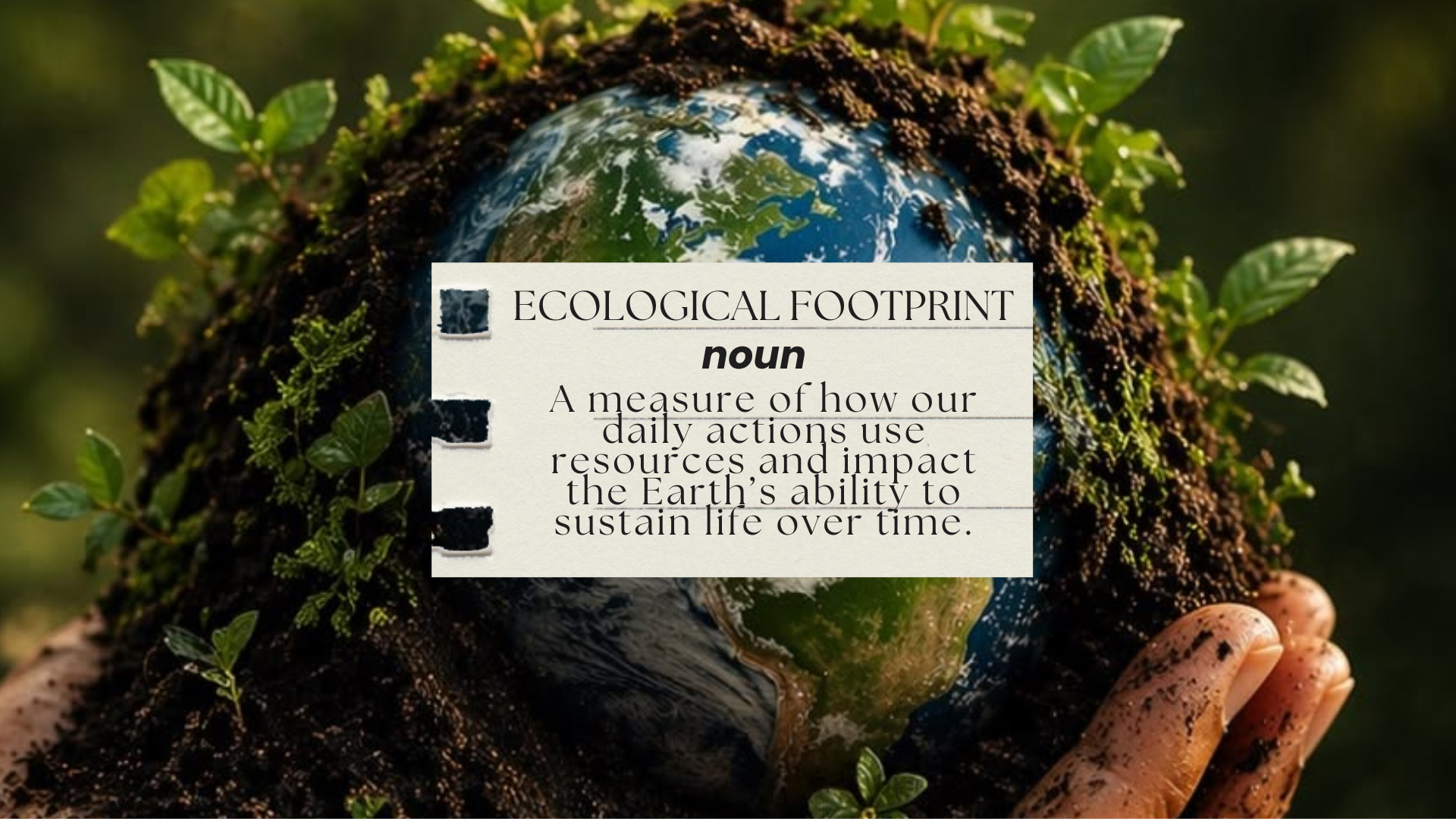
The Imprint of Everyday Choices
Impact doesn’t always appear immediately. It builds quietly through the choices we repeat every day, often without noticing. Over time, these small decisions shape something much larger than themselves.

Research
The Last Tree in the City
It’s never about just one tree. It’s about how many we’ve already lost—and what that loss is doing to our cities. By the time we notice the last one, the system has already begun to fail.
Research
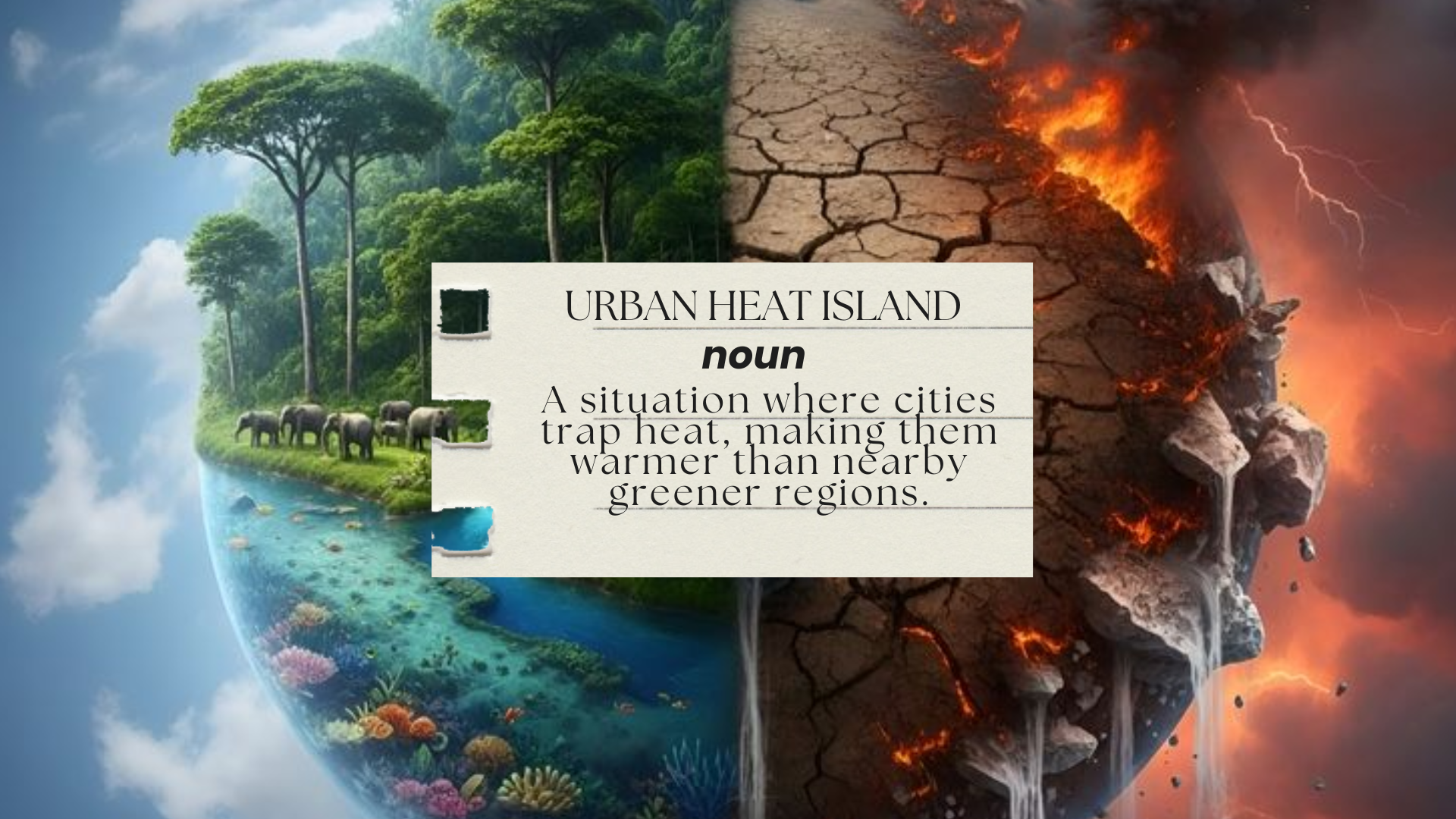
Life Without Trees
Trees are easy to overlook in cities—until they’re gone. Remove them, and the shift isn’t just visual. Cities begin to overheat, air becomes heavier, and everyday life grows more difficult to navigate. What we often treat as optional greenery is, in reality, critical infrastructure.
Research
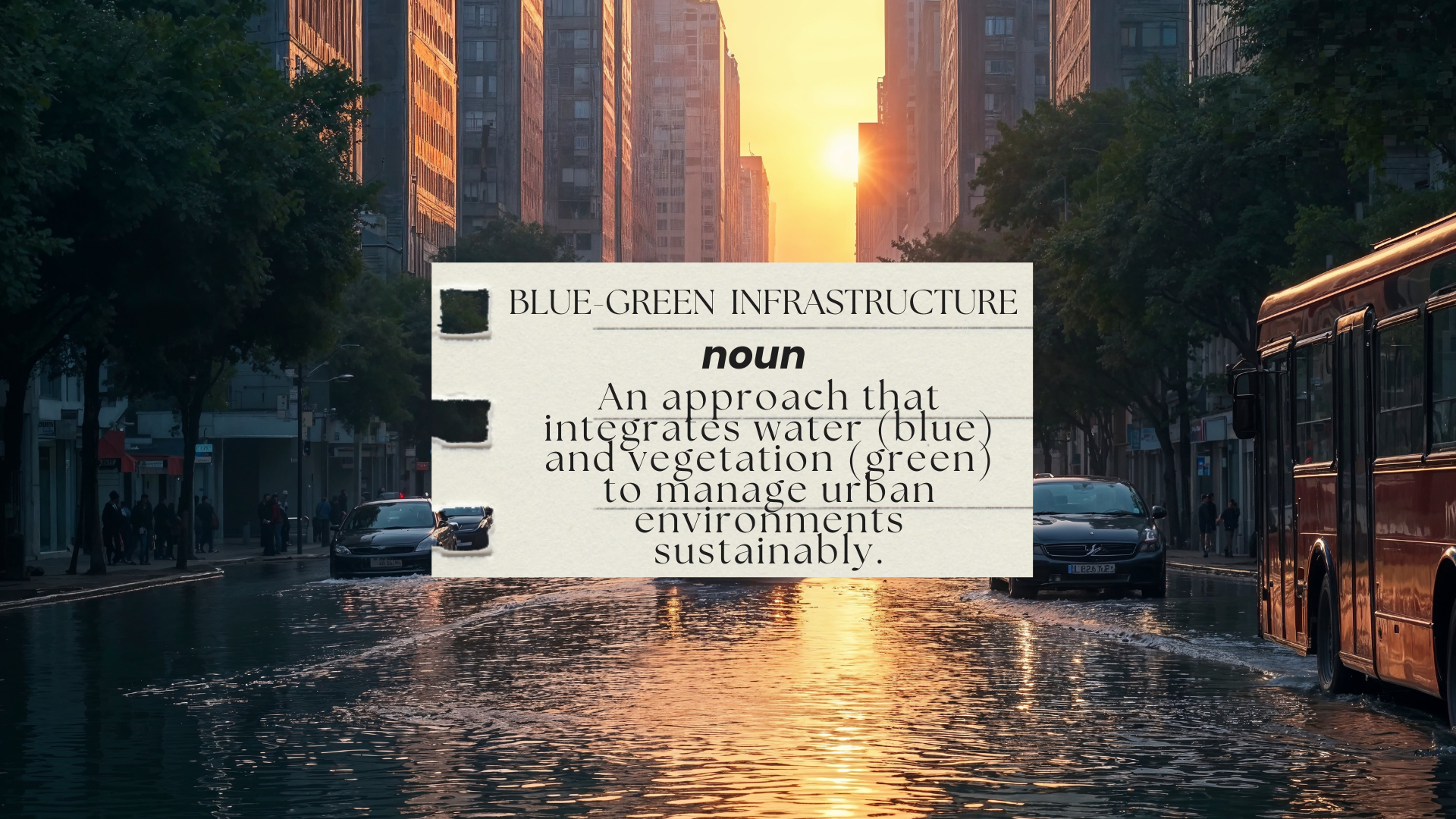
Rethinking Water in Cities
What if cities could absorb water instead of fighting it? Blue-green infrastructure makes that possible.
Soil Science
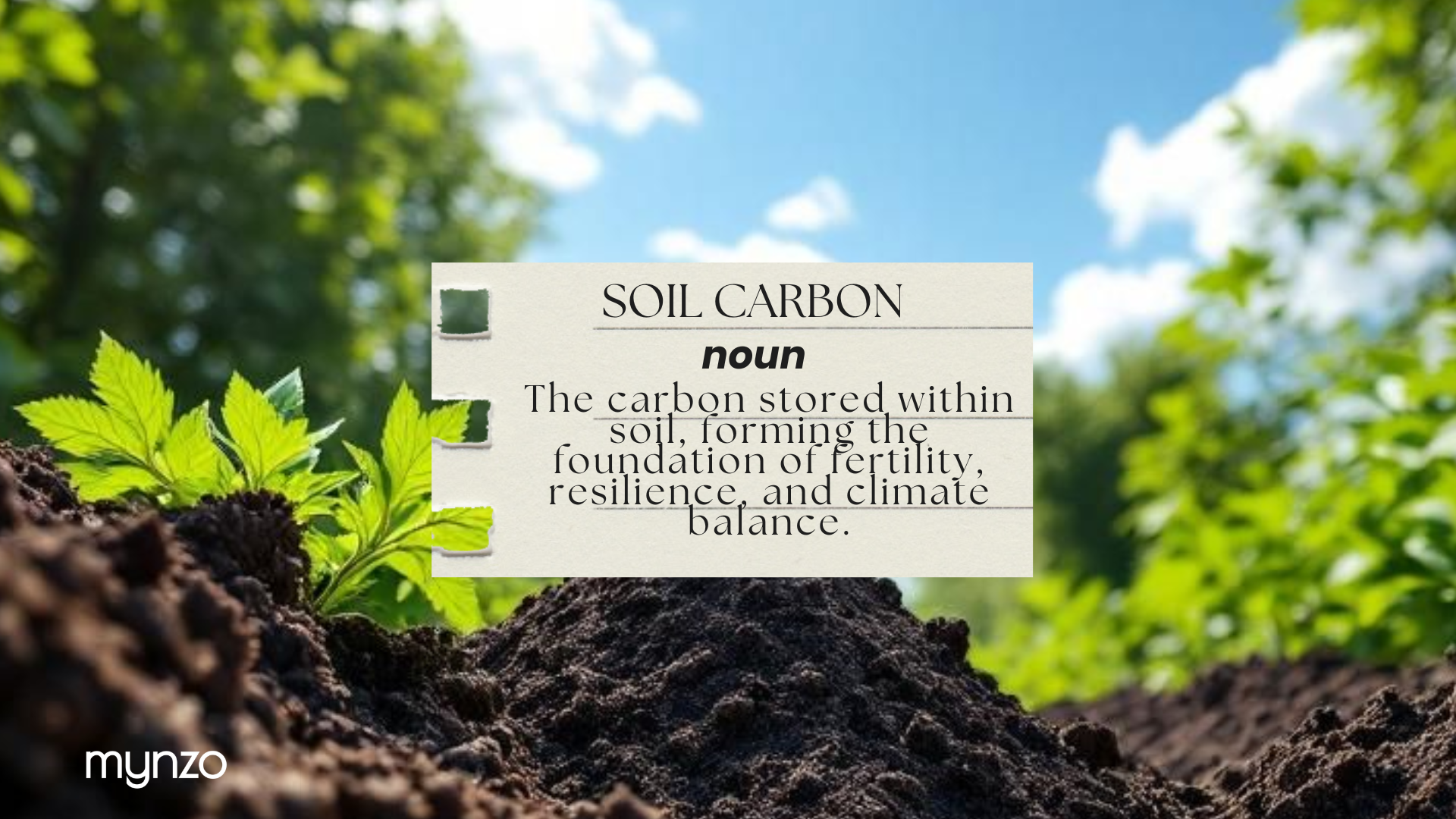
The Hidden Life of Soil
The future of climate resilience may depend on what we restore beneath our feet.
Research
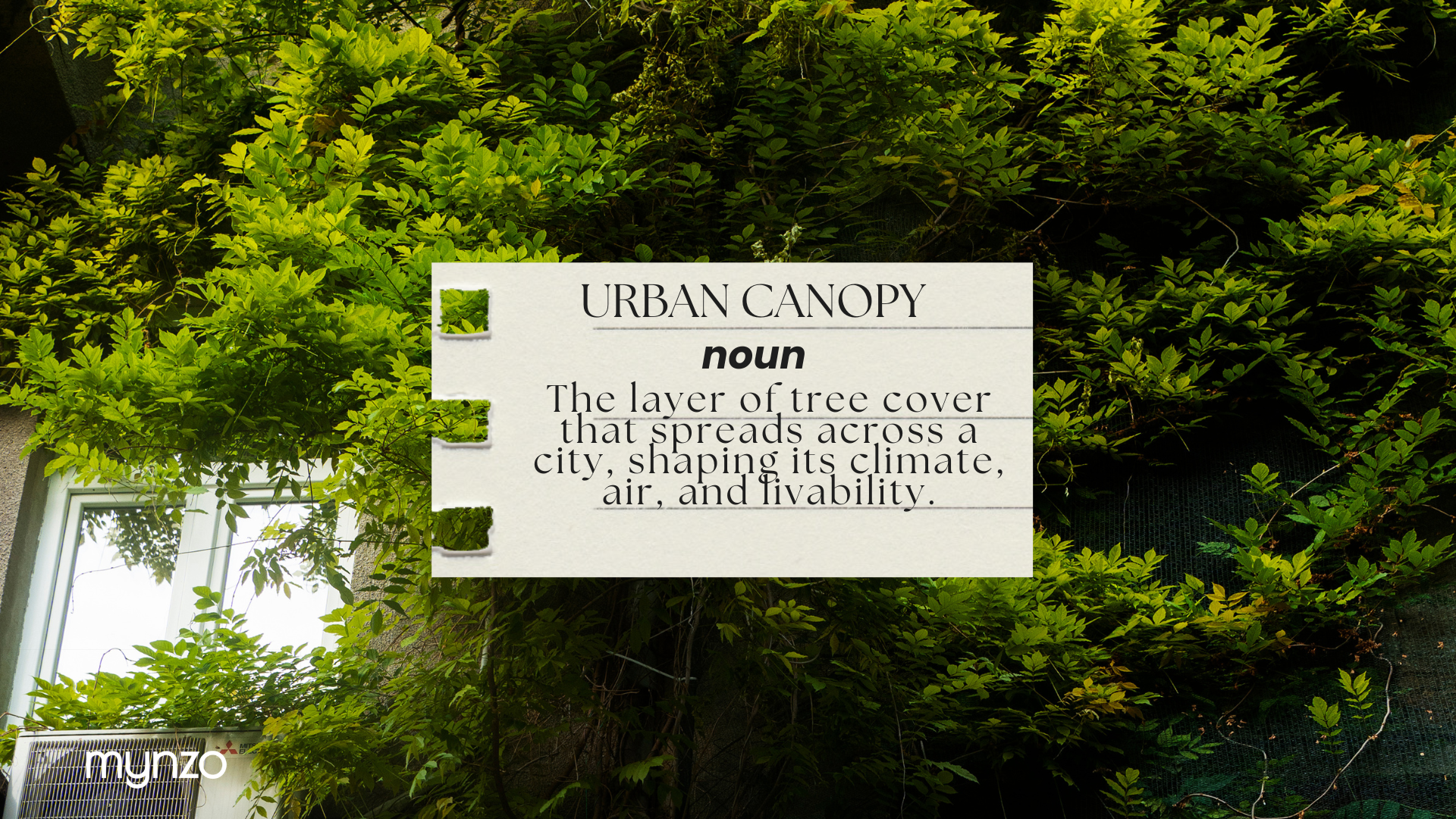
The Power of Urban Forests
Urban forests are more than green spaces—they are critical infrastructure shaping how cities handle heat, air quality, and flooding. This piece explores why trees may be one of the most powerful tools for urban resilience.
Research
Why Pop Culture Still Can’t Face Climate Change
The climate crisis is everywhere, except, curiously, in much of the media we consume. It shapes economies, alters landscapes, and increasingly defines daily life. Yet in popular films, television, and games, it often appears only in extremes.
Technology
The Hidden Climate Costs of Convenience
The modern consumer moves through the day with a comforting illusion: that the digital and the convenient are somehow weightless. What remains largely invisible is the accumulating burden of these choices, measured not in currency but in emissions.
Soil Science
A New Climate Narrative
Across the world, climate solutions are no longer confined to academic papers or distant pilot projects. They are becoming tangible, scalable and, in some cases, surprisingly ordinary.
Carbon Markets
Forest Carbon Accounting: From Field Data to Carbon Estimates
How field plots, satellite observations and biomass models support forest carbon accounting, with clear limits on uncertainty and carbon credit claims.
Technology
Averting Our Eyes
The data is relentless, the warnings urgent, and the images increasingly difficult to ignore. And yet, for many, the crisis exists in a strange psychological limbo, acknowledged theoretically but sidelined in practice. This can’t be simply classified as ignorance alone, it shows us something more human, and more complicated.
Agroforestry
Agroforestry Benefits, Tradeoffs and How to Measure Them
What trees can add to working farms, where competition and costs arise, and which field records help teams assess agroforestry outcomes in India and beyond.
Soil Science
Soil Organic Carbon: Meaning, Stocks and Measurement
Understand soil organic carbon, its difference from organic matter, and how concentration, depth and bulk density determine a soil carbon stock.