


Water Conservation Methods for Homes and Communities
Compare practical water conservation methods for Indian homes, schools and communities, from leak checks to rainwater harvesting and useful water-use records.
Water conservation methods include finding leaks, reducing unnecessary use, choosing suitable fixtures, adjusting irrigation, collecting rainwater and managing shared water sources. The useful starting point is a record of where water comes from and where it goes. A new tank or efficient tap helps only if it addresses the site's actual problem and someone maintains it.
For an Indian apartment building, school or village, that may mean dealing with several supplies: a municipal connection, a borewell, delivered water and seasonal rainfall. Keep them separate in the records. Lower use from one source can simply mean greater use from another.
Which water conservation method should come first?
Use this comparison to prepare a site discussion. Several methods may be needed, but they solve different problems. The US EPA's facility guidance puts understanding water use and planning before equipment choices.
| Method | When to investigate it | What to check afterwards |
|---|---|---|
| Leak detection and repair | Water flows when no intended use is occurring, or fittings visibly leak. | Repeat the check after repair. |
| Fixtures and everyday use | A tap, toilet or cleaning routine uses more water than the task needs. | Check performance as well as water use. |
| Rainwater storage | Rainfall can supply a defined use at a suitable property. | Record usable water delivered and system maintenance. |
| Groundwater recharge | A local assessment identifies suitable geology, water quality and groundwater conditions. | Use an agreed groundwater monitoring method. |
| Landscape watering changes | Water reaches paths, irrigation runs after rain or plants are poorly matched to the site. | Track watering, weather and plant condition together. |
| Shared-source management | Several users depend on the same supply and responsibilities are unclear. | Review access, maintenance and seasonal availability together. |
Start with a week of observations
Record the meter identifier, units, reading and time. Repeat at comparable times and note occupied days, visitors, irrigation and unusual cleaning. A photograph helps resolve a copied digit later. Where there is no meter, retain delivery records and label the unmeasured uses instead of estimating them as though they were readings.
EPA's metering guidance distinguishes a property's incoming supply from submeters for particular uses. Do not add a building's main meter to its kitchen submeter: the kitchen water is already included. Separately supplied sources need separate records.
A school example: lower use does not always mean better efficiency
Suppose a school's meter rises from 120 to 132 cubic metres over five open days. That is 12 cubic metres, or 12,000 litres. With 200 people present each day, the period contains 1,000 person-days, giving 12 litres per person-day across the uses covered by that meter.
Over another five open days, the meter records 10,000 litres, but attendance falls to 100 people a day. Use has fallen overall while the ratio has risen to 20 litres per person-day. These figures are invented to explain the calculation. They are neither a school benchmark nor a target for drinking or hygiene.
Water-use benchmarking needs an appropriate denominator and comparable activities. Keep garden watering, kitchen service, closures and weather beside the totals. A single ratio cannot identify the cause of a change.
Download the blank water-use observation sheet. Use one row per meter and interval, with both dates and times. Add each day's attendance to get person-days for the same interval. The template uses cubic metres; convert other units explicitly. Keep unmetered delivery records separately. A first week helps find questions, while longer records show seasonal patterns.
Check leaks before buying replacements
Walk the site with the person who maintains it. Note dripping taps, toilet cisterns that keep refilling, wet pipe joints and overflowing storage. Record the location and repair owner, then return to check the result.
The EPA's household guidance suggests comparing meter readings across a two-hour period with no water use. A changing reading can indicate a leak. First account for automatic irrigation, tank refilling and other equipment: a shared building may have legitimate use even when one household is quiet. Ask the utility or a plumber to investigate unexplained flow.
For replacements, compare the fitting's rated use and operating requirements with the task. US WaterSense is a US efficiency and performance label, not an Indian approval. A lower-flow fitting still needs to work at the building's pressure. Record the installation date and check performance rather than promising a universal saving percentage.
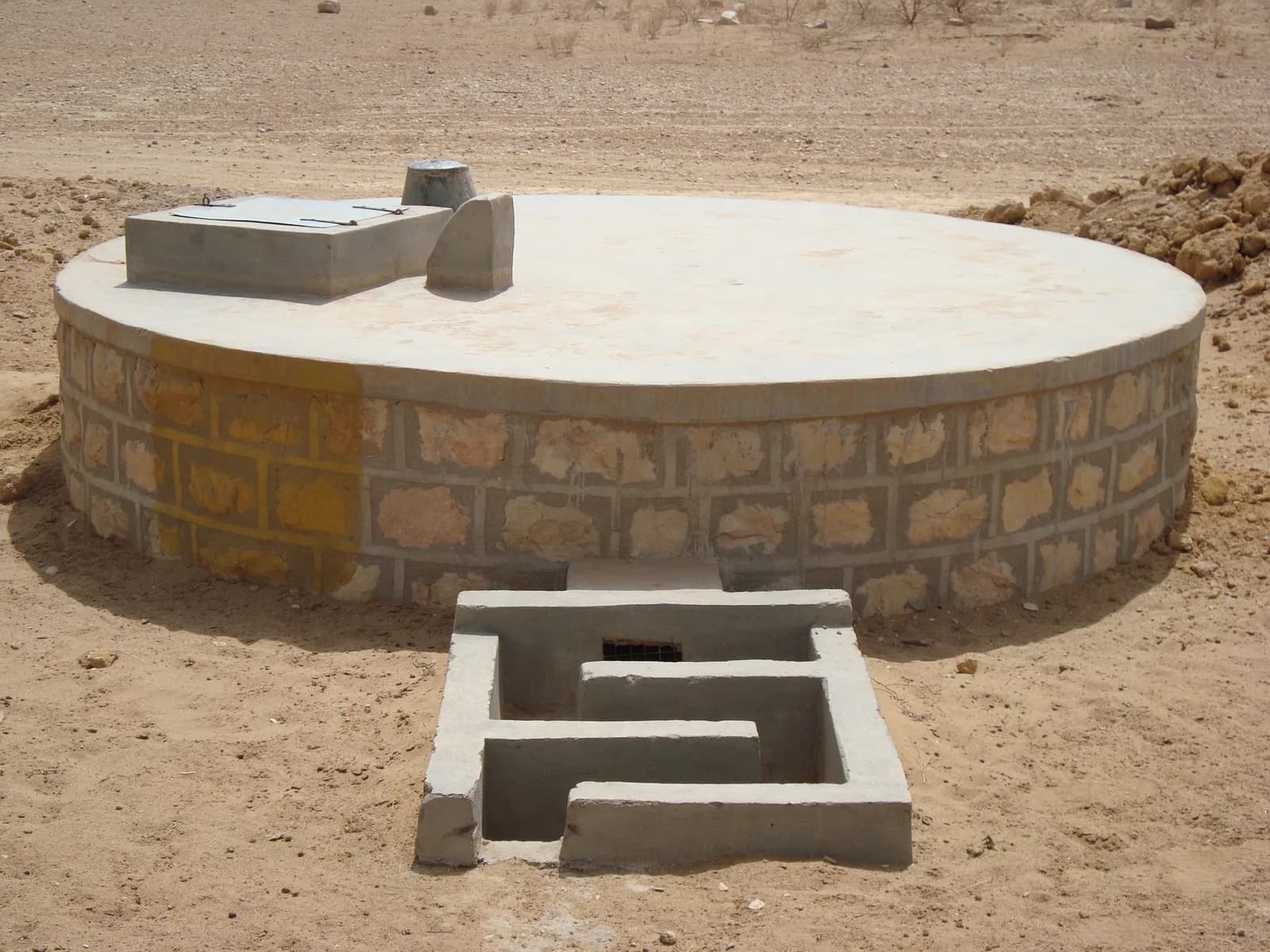
Rainwater harvesting: storage and recharge are different
Storage retains collected rainwater for a later use. Recharge directs suitable water into the ground to replenish groundwater. A storage tank's capacity does not prove how much water it supplies each year, and water entering a recharge structure is not automatically a measured increase in the aquifer.
The Ministry of Jal Shakti's July 2025 explanation of India's recharge master plan identifies rainfall, groundwater conditions, rock and soil as factors in local choices. A diagram suitable for one property is not a construction specification for another.
Before commissioning a system, ask about the catchment, intended use, rainfall pattern, available space, overflow route, contamination risks and maintenance access. For Indian village teams, CEPT University's 2025 rainwater harvesting booklet brings household, institutional and community planning together.
Maintenance belongs in the original budget. Telangana's harvesting guidance includes pre-monsoon cleaning, gutter checks, first-flush arrangements and protected openings. Agree who inspects each component and records faults. Have trained people handle tanks, roofs and other hazardous access.
Collected rainwater is not necessarily safe to drink. The CDC's rainwater guidance explains contamination from collection surfaces and the need to keep untreated rainwater out of drinking-water pipes. Match water quality and treatment to the intended use with local professional advice.
Match watering to soil, plants and weather
Check where irrigation actually lands and whether the soil is already moist. Group plants with similar water needs and adjust schedules as conditions change. EPA's watering guidance covers these practical checks; its US watering quantities should not be copied as a schedule for an Indian garden.
Plant choice and soil condition matter too. EPA's landscape guidance explains how suitable mulch reduces evaporation and why soil and exposure affect plant selection. Our soil health guide helps separate infiltration, compaction and laboratory results. Avoid treating a single soil test as a complete irrigation plan.
On farms, less water applied to a field does not necessarily mean less water consumed across the river basin. FAO's water-productivity assessment distinguishes reduced consumption from reduced withdrawals and recoverable flows. A drip system can serve useful farm objectives without, by itself, demonstrating basin-wide savings.
Give the maintenance plan an owner
A school committee, residents' association or village team needs names beside the tasks: who reads meters, approves repairs, checks harvesting equipment and reviews seasonal shortages. Include people who use and maintain the supply, not only those purchasing equipment.
India's Jal Jeevan Mission framework places source protection, operation, maintenance and greywater management within village planning. Treatment and suitable reuse need their own design; redirecting wastewater into a garden or recharge pit is not automatically conservation.
Shared water sources also connect to habitats. Read how wetlands function before treating a seasonal wetland as unused storage space. For the wider city, Rethinking Water in Cities explores blue-green infrastructure.
Common questions about conserving water
What can a school do before installing a harvesting system?
Map its supplies, record use and attendance, report leaks and assign repair responsibility. Those records make the case for the next investment more specific.
Does rainwater harvesting remove the need to reduce waste?
No. Harvesting provides another source when conditions allow. Leaks and unnecessary use can waste collected water as well as piped water.
How should a community report a saving?
Name the source, units, measurement period and comparison. Explain changes in attendance, weather or supply. Report estimated collection potential separately from measured water supplied.
Sources checked on 31 October 2026. The school calculation is illustrative. This guide supports observation and planning; site design and water-quality decisions need local expertise.
How does water move through a city?
Explore the connections between rainfall, urban surfaces and blue-green infrastructure.
Read Rethinking Water in Cities